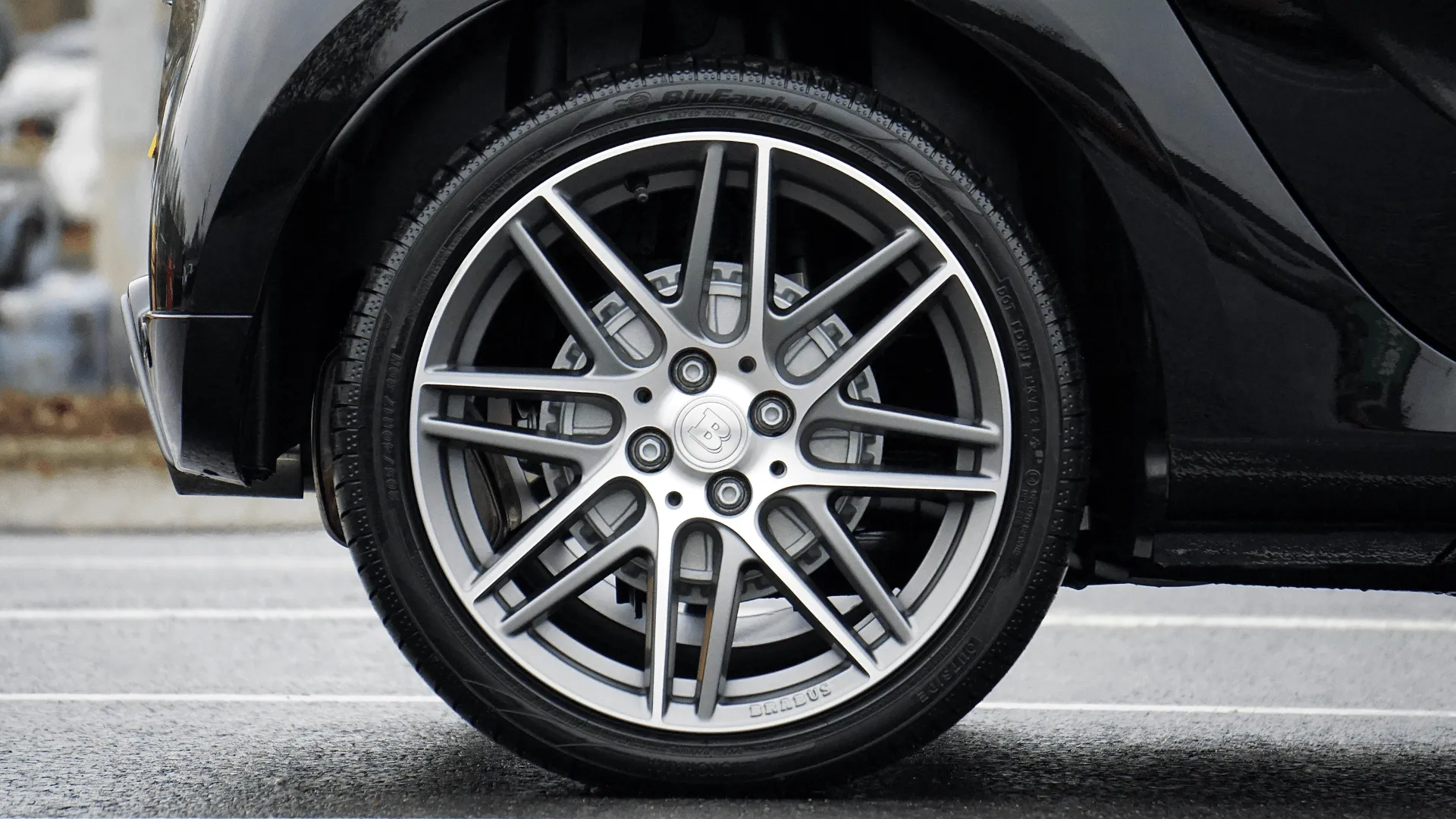
If you’ve ever washed your car only to see your wheels turn dark and dirty again within a few days, you’re not alone. Brake dust is one of the most common (and stubborn) contaminants that Tooele County drivers deal with. Between Utah dust, stop-and-go traffic, and higher summer temperatures, brake dust builds up fast — and can actually damage your wheels over time if it’s not addressed properly. Here’s why it happens and what you can do to keep your wheels looking clean and protected.
What Is Brake Dust Made Of?
Brake dust is a combination of materials produced every time you press your brake pedal. According to Auto Brite Direct, most brake dust consists of:
- Iron particles from the cast-iron brake rotor
- Carbon from the brake pad
- Binding resins used in brake pad materials
- Adhesive dust and road contaminants
These microscopic metal shavings and carbon particles are extremely fine, which is why they stick so quickly to your wheels and become difficult to remove once baked on.
Why Brake Dust Builds Up So Quickly
Brake dust is a normal part of driving, but several conditions make it worse — especially here in Utah:
1. Vehicle Weight & Driving Style
Heavier vehicles and aggressive braking produce far more dust. Alpha Car Hire notes that city driving, downhill braking, and towing increase dust production dramatically.
2. Utah Dust and Road Contaminants
Tooele’s dusty environment means particles cling more easily to wheels already coated with iron dust. Dry climates like ours worsen static buildup, causing dust to stick even faster.
3. Rotor and Pad Material
Semi-metallic pads — which many Utah vehicles use because they perform better in extreme temperatures — create more dust. These pads shed more iron, producing the familiar dark residue.
4. Heat From Braking
Summer heat plus repeated braking cooks brake dust onto rims. Heat turns brake dust corrosive, which is why leaving it on your wheels can eat into the finish over time.
Is Brake Dust Harmful to Your Wheels?
Yes — especially when left on for too long. Because brake dust is mostly iron, it oxidizes (rusts) when exposed to moisture, humidity, or Utah’s winter road salt. That oxidation process causes pitting, staining, and long-term damage to your wheel’s clear coat.
Left untreated, it can lead to:
- Permanent discoloration
- Etching in the clear coat
- Rough texture or corrosion
- Hard-to-remove baked-on deposits
That’s why consistent cleaning and protection are essential.
How to Safely Remove Brake Dust
Removing brake dust isn’t difficult if you use the right products and technique. Use cleaners designed for wheels, not household chemicals that can strip protective coatings.
- Use a pH-balanced wheel cleaner to loosen iron particles.
- Apply cleaner on cool wheels — never when they’re hot.
- Use a soft-bristle wheel brush to agitate gently.
- Rinse thoroughly to wash away contaminants.
- Dry the wheels to prevent water spotting.
For heavy buildup, an iron remover can chemically dissolve the iron particles (they often turn purple when reacting). Only use these products sparingly — and always follow instructions — as they are strong chemicals.
How to Protect Your Wheels From Future Brake Dust
Prevention is the key to keeping wheels shiny and easy to clean. Here’s what helps most:
1. Apply a Wheel Sealant or Ceramic Coating
A protective coating creates a barrier between your wheel’s surface and brake dust. Ceramic coatings dramatically reduce how much dust sticks to wheels and make cleaning faster.
2. Wash Wheels Weekly
You don’t need a full car wash — just a quick wheel rinse prevents dust from baking into the finish.
3. Avoid Harsh Cleaners
Household degreasers can strip protective coating and make wheels even more susceptible to dust sticking.
4. Drive Smarter
Gentle braking reduces dust production. Downshifting on hills and keeping more following distance both help reduce brake usage.
Why This Matters for Tooele County Drivers
Between dusty roads, temperature swings, and winter salt, wheels in Tooele get hammered harder than in many other areas. Brake dust builds up faster here — and becomes corrosive sooner.
A protected wheel surface lasts longer, looks better, and resists pitting, fading, and staining. For drivers who want their wheels to stay sharp and easy to maintain, regular cleaning and protection aren’t optional — they’re essential.
Ready to protect your wheels? Contact Rad Details & Coatings today to schedule a service designed for Tooele County conditions.